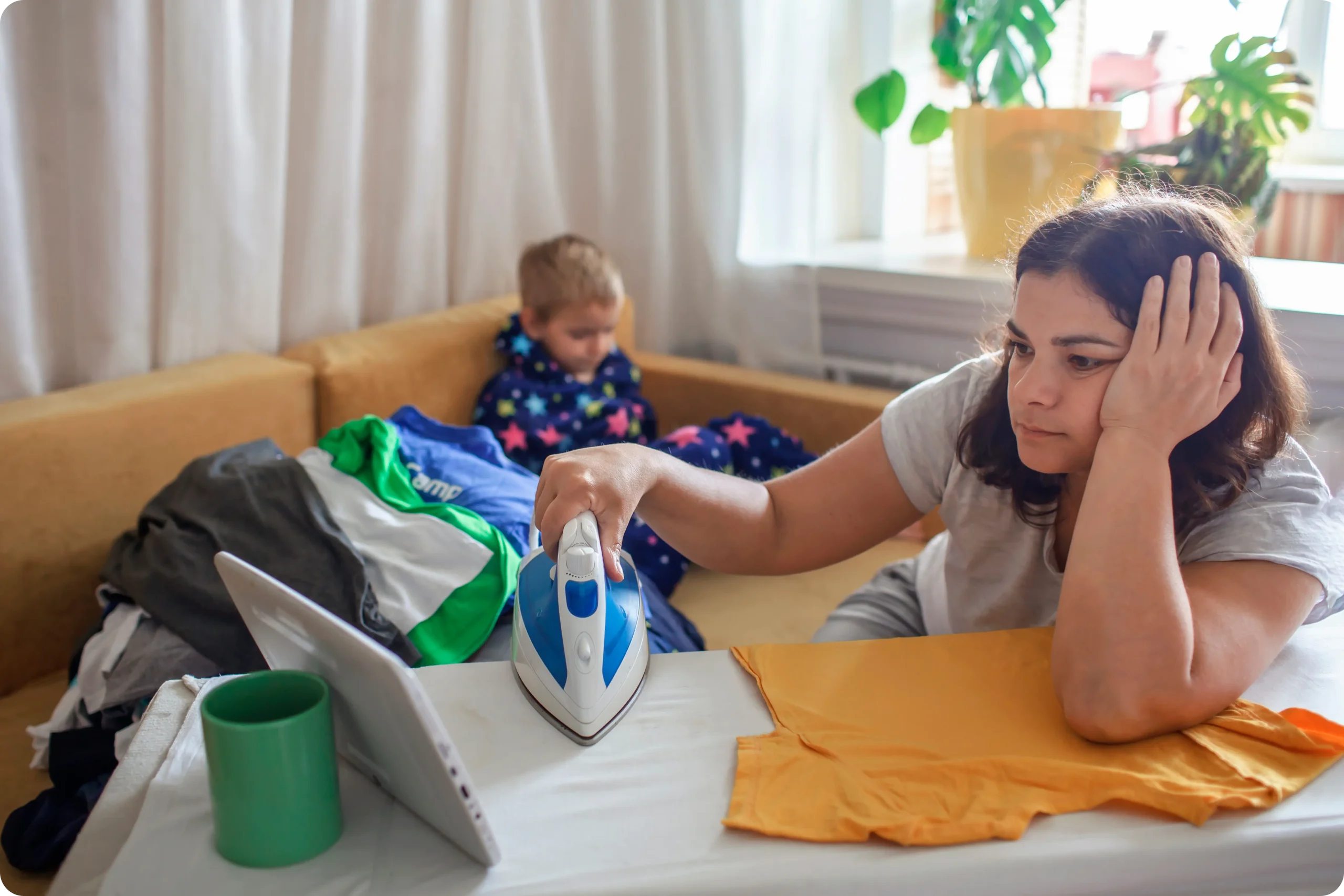
Maternal burnout is not a personal failure, weakness, or inevitable rite of motherhood—it is a medically recognized, parenting-specific syndrome characterized by emotional exhaustion, loss of fulfillment, and emotional distancing from children. Between 57–92% of mothers experience it, with rates varying across studies and populations but consistently demonstrating that burnout is epidemic rather than exceptional. Unlike postpartum depression or general stress, maternal burnout emerges from a specific imbalance: caregiving demands consistently exceed available resources—time, support, recognition, rest—until a tipping point where normal tiredness escalates into complete physiological and psychological depletion. The causes are both deeply personal (perfectionism, guilt, anxiety) and systemic (unequal household labor, financial pressure, societal expectations that mothers simultaneously maintain perfect homes, perfect children, perfect careers, and perfect bodies). Most significantly, recovery is possible through evidence-based interventions: cognitive-behavioral therapy, mindfulness-based approaches, boundary-setting, building support networks, and—crucially—challenging perfectionist standards and societal expectations. This report identifies warning signs that distinguish burnout from everyday exhaustion, explores root causes, and provides practical recovery strategies grounded in clinical research.
Understanding Maternal Burnout: Clinical Definition
Maternal burnout is distinct from being tired, stressed, or overwhelmed. It is a parenting-specific syndrome using clinical assessment tools (the Parental Burnout Assessment, or PBA, and the Maslach Burnout Inventory–Parental Version) to measure three core dimensions:
Emotional exhaustion: Chronic, unrelieved fatigue that persists despite rest and sleep. Mothers describe waking already exhausted, sensing a heaviness that sleep cannot fix.
Loss of fulfillment: A diminished sense of parental efficacy and joy. Activities previously meaningful—bedtime stories, birthday celebrations, family outings—now trigger dread, detachment, or emotional flatness rather than connection.
Emotional distancing: Progressive withdrawal from children, partners, and social relationships. Mothers speak of an invisible wall separating them from their children, with reduced conversation, avoided eye contact, and absence of previously routine physical affection.
The clinical importance is significant: maternal burnout is not about being a “bad parent” or lacking love for one’s children. Rather, it represents a physiological and psychological tipping point shaped by how demands and resources interact. A mother experiencing burnout loves her children profoundly; she is simply unable to access that love through layers of exhaustion and disconnection.
Prevalence: How Common Is Maternal Burnout?
The statistics demand recognition. Research across different populations, methodologies, and countries reveals that maternal burnout is not rare:
- 57–81% of mothers self-report experiencing burnout, depending on population and assessment method
- 92% of parents report experiencing some level of burnout in recent data
- 70% of a clinical sample scored above the moderate severity cutoff on the Parental Burnout Assessment
- 8% of parents in some Western countries experience severe burnout
These numbers indicate that maternal burnout spans socioeconomic, educational, and cultural backgrounds. It affects mothers working full-time and those at home, educated professionals and those without formal education, mothers in stable partnerships and single parents. The prevalence suggests this is a systemic issue rather than individual failure.
Additionally, recent data reveals that 45% of parents believe raising children today is more difficult than in previous generations, citing financial instability, work-life balance difficulties, and heightened societal expectations.
Warning Signs: Recognizing Maternal Burnout
The distinction between normal parenting stress and maternal burnout centers on persistence and pervasiveness. A rough day or even a rough week is not burnout. Burnout is a sustained state where multiple warning signs cluster and persist over weeks or months, not improving with rest or temporary breaks.
Physical Symptoms That Signal Burnout
Chronic, unrelieved fatigue is the hallmark. Unlike normal tiredness that improves with sleep, burnout-related fatigue persists despite adequate rest. Mothers describe a heaviness and lack of energy that seems disconnected from how much sleep they’ve obtained.
Sleep problems present paradoxically: despite exhaustion, mothers struggle to fall asleep or stay asleep. The mind races with worry, planning, or rumination; the body is depleted yet wired.
Physical symptoms without clear medical cause include persistent headaches, digestive issues, general malaise, and occasionally dizziness or fainting. These symptoms often prompt medical evaluation, which finds no specific disease, missing the underlying burnout diagnosis.
Emotional and Psychological Symptoms
Intense irritability and mood swings represent a key diagnostic marker. Small frustrations trigger disproportionate anger. A child’s request for help, a partner’s comment, or a minor household mess can trigger overwhelming emotional reactions that feel out of proportion and frightening to the mother experiencing them.
Emotional numbness or detachment is particularly distressing: mothers report feeling disconnected from their children despite loving them. They describe not looking forward to family occasions, feeling dread about bedtime routines, or going through parenting motions without genuine emotional engagement.
Pervasive guilt and self-doubt accompany burnout. Mothers constantly question whether they’re doing enough, being good enough, or meeting expectations—despite evidence of their competence. This guilt is reinforced by societal messages that mothers should be able to “handle it all.”
Anhedonia (loss of joy in previously enjoyed activities) manifests as loss of interest in hobbies, social engagement, and activities that once brought pleasure.
Brain fog and concentration difficulties make focusing, remembering, and making decisions cognitively exhausting. Mothers describe difficulty completing simple tasks or retaining information they just read.
Decision fatigue and anxiety about minor decisions is notable: choosing what to make for dinner or what the child should wear becomes overwhelming. This reflects depleted executive function capacity.
Loss of identity beyond motherhood is a deeper symptom: mothers report a sense that they’ve disappeared into the parenting role, with no sense of self outside of caregiving.
Behavioral Changes
Withdrawal from parenting and social connections manifests as avoidance of activities, reluctance to engage with children, and isolation from friends and family.
Emotional distancing in parenting includes reduced conversation with children, less initiation of physical affection (hugs, cuddles), decreased engagement in shared activities, and increased criticism or coldness.
Perfectionism and overinvestment in the first stage: mothers drive themselves toward impossible standards—perfectly organized homes, flawlessly managed schedules, children who excel—often declining help and taking on additional responsibilities.
Small setbacks trigger disproportionate responses: A child’s bad grade, a forgotten permission slip, or an unexpected change in plans can trigger tears, anxiety, or panic reactions that feel dramatically out of proportion.
The Aggregation Principle
Individual symptoms can occur in normally stressed mothers. Burnout is suspected when multiple warning signs cluster together and persist—for example: chronic fatigue + emotional distancing + guilt + irritability + sleep problems + withdrawal from friends = sustained pattern suggesting burnout rather than temporary stress.
Root Causes: The Psychology and Systems Behind Maternal Burnout
Maternal burnout is rarely caused by a single factor. Rather, it emerges from the interaction of psychological vulnerabilities, situational stressors, and systemic failures—particularly the imbalance between demands and available resources.
The Central Mechanism: Demand-Resource Imbalance
The evidence-based “Balance Between Risks and Resources” model illustrates burnout’s foundation. When the demands of parenting consistently exceed the resources available to meet them—whether those resources are time, support, sleep, emotional capacity, or recognition—chronic stress accumulates until it crosses a threshold into burnout.
This is not about individual willpower or resilience. A mother with identical parenting challenges can either avoid burnout (if she has strong support, reasonable expectations, adequate sleep) or develop severe burnout (if she lacks these resources). The syndrome emerges from the system, not the person.
Psychological Contributors: Perfectionism and Internalized Expectations
Research reveals that perfectionism—particularly pressure to be a “perfect mother”—is a powerful burnout risk factor. Modern cultural messaging prescribes intensive mothering norms: mothers should never ask for help, maintain spotless homes, produce well-behaved children, and do all this while remaining cheerful and fulfilled.
Critically, societal pressure toward perfectionism proves more damaging than mothers’ own standards. A mother who internally believes “good enough” parenting is fine but experiences external judgment (“Your house is messy,” “Your kids need more structure,” “You’re too permissive”) internalizes these external standards. Over time, she attempts to meet impossible expectations, leading to failure, guilt, and eventual burnout.
Research documenting societal pressure is stark: 9 out of 10 women report feeling judged as mothers, and 7 out of 10 feel guilty for not meeting perfection expectations. The myth of the perfect mother remains culturally pervasive despite being psychologically impossible.
Additionally, mothers often employ “maternal gatekeeping”—taking over family tasks from partners to maintain standards—which simultaneously increases their burden while decreasing partner involvement, creating a vicious cycle.
Situational Stressors: Sleep Deprivation, Isolation, and Unequal Labor
Sleep deprivation is one of the most significant burnout contributors. Disrupted infant sleep, multiple young children with staggered schedules, or personal insomnia significantly impairs emotional regulation, decision-making, and resilience.
Social isolation intensifies vulnerability. Mothers who relocate frequently, lack nearby family support, or feel unable to maintain friendships experience profound isolation, making emotional recovery impossible.
Unequal distribution of household and emotional labor creates sustained resentment. Research shows that 65% of mothers feel overloaded by carrying the mental burden of household management—tracking doctor appointments, meal planning, remembering children’s needs, managing school communications—while partners are uninvolved. This is not about physical tasks; it’s about cognitive and emotional responsibility.
Financial stress compounds all other factors. 42% of parents cite the rising cost of raising a family as a major source of burnout, combined with work demands and inability to afford childcare, creating relentless pressure.
Systemic Factors: Modern Motherhood’s Impossible Standards
Perhaps most significantly, contemporary motherhood expectations have become systematically impossible. Modern cultural messaging requires mothers to simultaneously:
- Be a perfect, available mother (present, engaged, patient)
- Maintain a perfect professional career (ambitious, successful, dedicated)
- Take care of themselves (exercise, skincare, appearance)
- Maintain a perfect home (organized, clean, beautiful)
- Be a perfect partner (present, engaged, romantic)
- Maintain a public/social life
- Be happy, content, and grateful
One woman described this accurately: “No woman can actually do all of this. It is too much, and mothers are exhausted.”
Research documenting the specifics: 54% of working mothers feel guilty not spending desired time with children due to work demands, and 65% feel the mental burden of household management. The system itself—not individual mothers—is broken.
Special Vulnerability: Burnout as a Self-Perpetuating State
Research reveals an important distinction: once a parent reaches burnout, the condition becomes relatively stable and self-perpetuating. Emotional distance becomes the primary characteristic of severe burnout, with less daily variation as severity increases. In other words, a burned-out parent will likely remain in burnout regardless of changes in family circumstances unless deliberate intervention occurs. The system that created burnout must be addressed; willpower alone cannot reverse it.
Impact: How Burnout Affects Mothers, Children, and Families
The consequences of maternal burnout extend far beyond the mother’s discomfort—they affect entire family systems.
Impact on Mothers’ Mental and Physical Health
Research links maternal burnout to significant health consequences: depression, anxiety, chronic sleep disturbances, physical health decline, and in severe cases, suicidal ideation. Studies find that burnout’s effect on mothers’ mental health is comparable in magnitude to job burnout and depression—already serious conditions.
Socially, burned-out mothers experience shame and isolation. Paradoxically, those needing support most often hide their struggles, deepening isolation.
Impact on Children and Adolescents
The research is unambiguous: parental burnout has serious repercussions for children. Burned-out parents—emotionally exhausted and overwhelmed—often become neglectful or, in severe cases, violent toward their children.
For adolescents specifically, parental burnout predicts increased internalizing problems (anxiety, depression, loneliness) and reduced life satisfaction. The mechanism operates through psychological control (intrusive, manipulative parenting) and emotional distancing (reduced felt security and parental support).
Additionally, children with burned-out parents are at higher risk for their own academic burnout, anxiety disorders, depression, and behavioral problems.
One counterintuitive finding: children with more free play time with parents and lighter loads of structured extracurricular activities show fewer mental health issues (less anxiety, depression, OCD, ADHD). The pressure modern parents place on themselves and children—in scheduled activities, achievement goals, constant optimization—contributes to both parent and child burnout.
Impact on Family Relationships and Functioning
Parental burnout increases spousal conflict, strains family relationships, and reduces overall quality of life for all family members. Partners often don’t understand the burnout, interpreting it as laziness or lack of love, further isolating the mother.
Prevention and Recovery: Evidence-Based Strategies
Recovery from maternal burnout is possible, though it is rarely linear and requires sustained effort. The most effective approaches combine professional interventions with systemic change and personal boundary-setting.
Professional Interventions: What Evidence Shows Works
Cognitive-Behavioral Therapy (CBT) has strong evidence for reducing burnout. CBT teaches mothers to identify thought patterns maintaining burnout (perfectionism, all-or-nothing thinking, guilt), challenge these patterns, and develop practical coping skills. The evidence-based effectiveness of CBT in burnout recovery is established across multiple studies.
Mindfulness-based stress reduction and self-compassion practices significantly reduce parental stress and show negative correlations with burnout factors. Even brief mindfulness practices (5–10 minutes) reduce stress hormones and increase well-being metrics.
Group therapy and peer support provide normalization, practical strategies, and emotional support from others experiencing similar challenges.
When anxiety or depression coexist with burnout, medical evaluation may indicate medication alongside therapy is warranted.
Importantly: Online therapeutic interventions based on CBT principles show promise, making professional help more accessible for mothers unable to attend in-person therapy.
Practical Daily Recovery Strategies
Prioritize fundamental self-care: Regular, nutritious meals; hydration; and as much sleep as possible form the foundation. While perfect sleep may be impossible with young children, intentionally maximizing rest opportunities (asking help to nap, accepting tired evenings without guilt) matters.
Micro-practices throughout the day circumvent the “I don’t have time” barrier:
- Deep breathing while waiting in carpool line
- Listening to podcasts while cooking
- Five-minute stretches before bed
- Walking the stairs for movement
- Gratitude journaling for five minutes
These small rituals regulate the nervous system without requiring large time blocks.
Cognitive breaks and recharge time prove essential: Research shows 5–10 minute pauses every 60–90 minutes improve focus, reduce stress, and enhance well-being. Schedule these breaks intentionally—label them “Brain Recharge” or “Mindful Pause” on your calendar—to protect them like important meetings.
Physical activity boosts mood, increases energy, and reduces stress. This need not be gym membership: walks, stretching, dancing, or playing with children counts. Even brief movement (10 minutes) produces benefits.
Boundary-setting and saying “no” represents a powerful recovery tool. Declining commitments that don’t align with your values, delegating tasks where possible, and protecting personal time are not selfish—they are necessary. Burning out while trying to be perfect for others doesn’t serve anyone.
Social connection combats isolation: Building support networks—whether through friends, parent groups, or hobby communities—provides emotional support, practical help, and the crucial reminder that other mothers are struggling too. The specificity matters: feeling “not alone” reduces shame and isolation.
Challenging Perfectionism: The Deepest Recovery Work
Psychologically, the most difficult and crucial recovery work involves letting go of perfectionism and redefining what “good enough” mothering looks like.
This isn’t about lowered standards; it’s about realistic standards. It involves:
- Accepting that homes are messy when children are thriving
- Recognizing that “good enough” parenting is evidence-based as protective and healthy
- Understanding that children benefit from parents who rest, take breaks, and model self-care
- Releasing guilt about imperfection
- Reframing asking for help as strength, not weakness
Research on “good enough” parenting (derived from pediatric and psychological evidence) shows it produces healthier children and families than perfectionism. Mothers who embrace good enough rather than perfect are less burned out, less anxious, and more present.
Systemic Changes Required for Long-Term Prevention
While individual recovery is possible, preventing burnout requires systemic change that extends beyond any individual mother’s effort:
Affordable childcare would reduce financial stress and enable mothers to work without guilt about childcare costs consuming income.
Flexible work policies allowing compressed schedules, work-from-home options, or part-time arrangements would reduce the constant tug-of-war between career and family.
Cultural shift toward co-responsibility in household and emotional labor, where partners genuinely share mental load (not “help” with tasks but equally own responsibility) would reduce mothers’ burden significantly.
Societal recognition that childcare is a social matter, not an individual mother’s responsibility would reframe expectations and reduce the impossible pressure individual women face.
These changes require policy, organizational, and cultural shifts—not individual effort. Mothers shouldn’t have to sacrifice mental health because systems are broken.
Recovery Timeline and Relapse Prevention
Recovery from maternal burnout is not linear. The process typically involves:
Initial recognition and professional help-seeking (weeks to months)
Therapy/intervention participation and lifestyle changes (2–8 weeks of active intervention producing measurable improvements, though long-term recovery extends longer)
Integration of new patterns and gradually rebuilding joy (months to years)
Relapse prevention through ongoing self-monitoring
Research on intervention effectiveness shows psychological and educational interventions effectively reduce parental burnout, with benefits sustained over time. An 8-week evidence-based program can produce meaningful change, though deeper recovery takes longer.
Relapse prevention involves returning to therapy or pausing for reflection at early warning signs, gradually learning to recognize when demands are exceeding resources before burnout redevelops. Building emotional awareness—recognizing early fatigue, irritability, or disconnection—enables early intervention.
The Distinction: Burnout vs. Normal Parenting Stress
Many mothers struggle to distinguish between normal parenting stress and burnout, often dismissing their experience as “just how motherhood is.”
Normal parenting stress: Temporary, varies with circumstances, improves with rest or breaks, doesn’t fundamentally change how you feel about your children, doesn’t prevent you from functioning in other areas.
Maternal burnout: Persistent despite rest, doesn’t improve with short breaks, involves emotional distancing from children despite loving them, significantly impairs functioning across multiple life domains, involves physical and psychological symptoms, persists for weeks or months.
The key question: Are you exhausted, or are you experiencing persistent emotional exhaustion, emotional detachment, and loss of efficacy that a vacation won’t fix? If the latter, burnout warrants professional attention.
When to Seek Help: Red Flags Requiring Professional Intervention
Contact a mental health professional if you experience:
- Suicidal ideation or escape fantasies (wanting to leave, disappear, or harm yourself)
- Inability to engage in basic parenting duties or care for yourself
- Symptoms persisting for weeks despite self-care efforts
- Significant impact on family relationships or functioning
- Substance use or other behavioral addictions emerging
- Violent or abusive thoughts toward children
These symptoms indicate burnout has progressed beyond self-help interventions and requires professional support.
Conclusion: Burnout Is Real, Recovery Is Possible
Maternal burnout is not a personal failure, moral weakness, or inevitable consequence of motherhood. It is a medically recognized syndrome resulting from specific imbalances between demands and resources, compounded by perfectionism and impossible societal expectations. The evidence is clear: between 57–92% of mothers experience it, indicating this is a systemic issue, not individual inadequacy.
What’s equally clear is that recovery is possible. Evidence-based therapies (CBT, mindfulness, peer support) produce measurable improvement. Small daily practices (breathing, movement, connection) reduce stress. Boundary-setting and challenge to perfectionism free psychological energy. And crucially, mothers deserve to know that needing help, setting limits, and prioritizing their own well-being is not selfish—it is the prerequisite for being the mother they want to be.
The mothers most at risk for burnout are often those with the highest standards, greatest love for their children, and strongest sense of responsibility—the very qualities that make them dedicated parents. Burnout doesn’t indicate failure; it indicates an impossible system meeting an unrealistic expectation. Recovery requires both individual effort and recognition that systemic change is necessary.
If you’re experiencing symptoms of maternal burnout, know this: You’re not alone. You’re not failing. And recovery is possible.