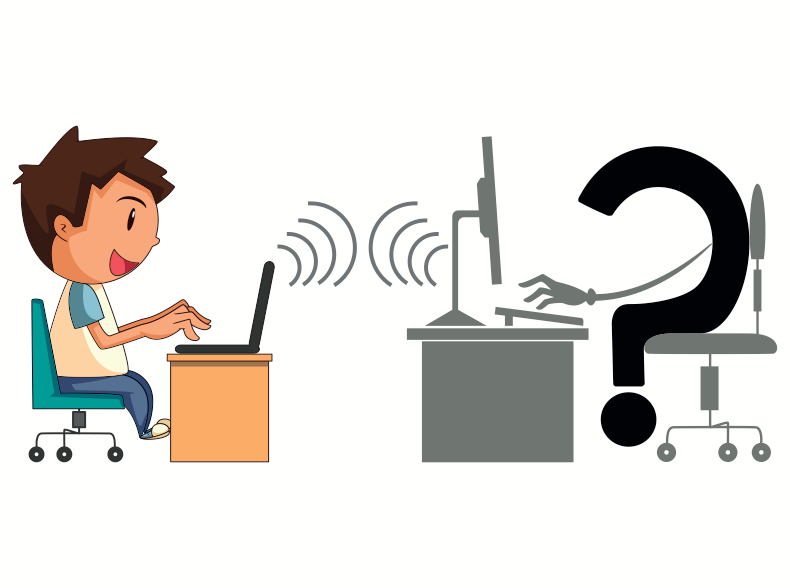
The internet presents children with unprecedented opportunities alongside severe risks that evolve faster than parental awareness. While 1 in 5 minors are sexually solicited online, 47% experience cyberbullying, and approximately half of parents have discussed online safety with their children, research makes clear that neither age restrictions nor technological controls alone protect children. Predators exploit developmental vulnerabilities—impulsive decision-making, desire for belonging, underdeveloped risk assessment—through sophisticated grooming that unfolds across months, building trust before introducing exploitation. Sextortion (blackmail involving explicit images) and cyberbullying with mental health consequences represent emerging threats alongside traditional predatory behavior. The most effective protection combines three elements: clear parental understanding of how exploitation occurs, transparent family conversations about online dangers, and thoughtful use of technological safeguards paired with human oversight rather than reliance on technology alone. This report synthesizes current research on threats, grooming tactics, warning signs, protective strategies, and evidence-based approaches to screen time and parental controls.
Understanding the Threat Landscape
The Scale of the Problem
The statistics demand parental attention. Research indicates that 1 in 6 people surveyed were victims of online child sexual abuse before reaching age 18—a prevalence suggesting that most families know someone affected by child exploitation. In the past year alone:
- 47% of young people have experienced cyberbullying
- 1 in 5 minors were sexually solicited online
- 37% of children ages 12–17 have been bullied online
- 8% of tweens and 10% of teens encountered predatory behavior
- 1 in 5 teens have sent or posted nude or semi-nude images
Critically, of children who spoke with strangers online, 50% shared identifying information (phone numbers, addresses) and 15% attempted to meet them in person. Gender disparities are pronounced: 78% of online sexual exploitation victims are female, while 82% of predators are male, and 98% of predators have never met their victims in person.
Perhaps most alarming: only approximately 50% of parents discuss online safety with their children, leaving the majority of young people navigating digital risks without preparation.
Types of Online Threats
Cyberbullying operates 24/7, spanning social media, gaming platforms, and messaging apps. It escalates across multiple platforms, often continuing from online harassment into real-world bullying. What distinguishes cyberbullying from playground bullying is its permanence (posts remain online indefinitely), visibility (typically public), and reach (experienced simultaneously by hundreds). Mental health consequences are severe: depression, anxiety, self-harm, and in tragic cases, suicide.
Online Predators and Grooming represent the most calculated threat. Predators systematically build trust with children through fake profiles, shared interests, and gifts before introducing sexual content or requests. The process unfolds over weeks or months, creating a psychological relationship that makes children reluctant to report exploitation despite its severity.
Sextortion—sexual blackmail involving explicit images—represents a rapidly growing threat targeting teens who believe they’re in consensual relationships with peers. Predators coerce nude images, then threaten exposure unless victims pay money or produce additional content. Victims experience shame and often suffer alone rather than reporting, making this a criminally underreported threat.
Phishing and Scams exploit children’s naïveté about trustworthiness. Tailored phishing messages using information harvested from public social media profiles offer free game access, special features, or prizes. Unlike sophisticated adult-targeted phishing, these target value systems children care about. Malware downloads can compromise family banking and identity security.
Inappropriate Content Exposure to pornography, violence, and hate content normalizes harmful behaviors during critical developmental periods when children are forming understanding of relationships, consent, and human dignity.
Privacy Violations occur when children post personally identifiable information—addresses, school names, vacation plans—without understanding social boundaries. This information enables predators to locate, track, and target children with specificity.
How Grooming Works: The Predator’s Playbook
Understanding grooming mechanics is essential for recognizing early warning signs before exploitation occurs. Grooming is not a single event but a sophisticated process exploiting developmental vulnerabilities and psychological principles.
Stage 1: Target Selection and Profile Building
Predators observe children’s social media presence, posts, and interactions to identify vulnerable targets. They look for children displaying low self-esteem, seeking attention, socially isolated, or newly experiencing social rejection. Markers include emotional posts, few friends, or engagement in online communities where children gather.
Once identified, predators conduct reconnaissance: gathering information about interests, family structure, school, activities, and parental monitoring level. This intelligence enables personalization in the next stage.
Stage 2: Building Trust Through Deception
The predator creates a fake profile—often posing as a peer, sometimes as a slightly older mentor or romantic interest. They use photos sourced from other profiles, not their own image. The initial contact is friendly: “Hey, how are you?” or “You’re cute.” Unlike threatening approaches, these innocuous openings are designed to test receptiveness without alarming children.
Critically, predators use information gathered during reconnaissance to create apparent common ground. If a child posted about loving a particular anime, the predator claims to love it too. If they mentioned being bullied, the predator becomes the understanding listener. This targeted approach creates a sense of connection and special understanding.
Gifts arrive during this phase: in-game currency, skins, digital items, or occasionally physical gifts shipped to the home. These gifts are psychological investments—predators understand that accepting gifts creates a sense of obligation and indebtedness in recipients.
Stage 3: Deepening the Relationship and Isolation
As trust builds, the predator transitions conversations to more private platforms: moving from public social media to encrypted messaging apps, Discord, gaming chat channels, or Snapchat (where messages disappear, removing evidence). The predator suggests this transition casually: “This app is better for gaming,” “Snapchat is where my friends are.”
Simultaneously, isolation begins. The predator encourages secrecy: “Your parents won’t understand our connection,” “This is our special friendship,” “If you tell anyone, people will think you’re weird.” They may attempt to turn the child against parents and authority figures, positioning themselves as the only person who truly understands the child.
Stage 4: Desensitization to Sexual Content
The predator gradually introduces sexual content, normalizing it through casual conversation. Initial references are indirect: jokes about sex, sharing memes, discussing attraction. Over time, these conversations become more explicit. The predator shares sexual images—often of the supposed “peer” (actually images from other sources)—normalizing sexual content exchange.
This desensitization is psychologically sophisticated. By the time explicit requests arrive, the child has been primed to perceive sexual conversation as normal within the relationship.
Stage 5: Exploitation and Control
Once compliance is established, the predator makes explicit requests: photos, videos, live sexual acts on camera. Requests escalate—gradually demanding more extreme content. If the child hesitates, the predator employs psychological manipulation: guilt (“After all I’ve done for you”), shame (“You want this, don’t you?”), or threats (“I’ll show your friends what you sent me”).
If the child has sent explicit images, the predator leverages sextortion: “Send me $500 or I’m posting your photos to your Instagram contacts.” The threat causes panic—the child faces the choice between paying demands or having explicit images distributed, causing social humiliation and potential legal consequences (many jurisdictions prosecute juveniles who created the images as creators of child sexual abuse material, a cruel outcome for victims).
Why Predators Choose This Gradual Approach
The gradual escalation is not accidental—it reflects predators’ understanding of psychological principles. Each small step makes the next easier. Saying “yes” to innocent requests makes refusing later requests feel like betrayal. Accepting gifts creates obligation. Small secrets build to larger ones. By the time exploitation occurs, the child often experiences ambivalence: they recognize something is wrong, yet feel emotionally attached to the predator, creating paralysis that prevents reporting.
Warning Signs: What Parents Must Recognize
Early detection during grooming enables intervention before exploitation occurs. Parents should monitor for behavioral, online, and material changes that signal a child may be targeted.
Behavioral Changes
Children experiencing grooming often display emotional volatility: sudden mood swings, depression, withdrawal from family and friends. Previously social children become isolated. They may exhibit anxiety around online activity (“Are you checking my phone?” “Why are you asking?”) or conversely, excessive secretiveness about who they’re communicating with.
Physical signs include sleep disruption (waking at odd hours to communicate), changes in appetite, and reluctance to attend school or social activities (suggesting emotional energy is focused elsewhere).
Online Activity Changes
Sudden increases in screen time, especially at unusual hours (late night or very early morning), can signal active grooming communication. Conversely, some children decrease public screen time while increasing private messaging, hiding the relationship. When a parent enters the room, the child closes screens quickly, minimizes windows, or becomes defensive about what they’re viewing.
The child exhibits possessiveness about devices—keeping phones within arm’s reach constantly, using devices in private spaces rather than communal areas.
Material Changes
Unexplained gifts, money, or gaming currency require investigation. When asked about their source, the child becomes evasive or provides implausible explanations.
Sexual Knowledge Changes
Age-inappropriate sexual knowledge, language, or interest in sexual content beyond developmental norms signals potential grooming. A 10-year-old suddenly using sexual terminology or expressing detailed sexual knowledge raises flags.
Relationship Concerns
The child mentions new online “friends” repeatedly, spends excessive time with them, yet becomes evasive or defensive when asked about these friendships. Multiple new online relationships formed simultaneously—especially across different platforms—warrant concern.
The Critical Aggregation
Individually, many of these signs could represent normal development. A teenager spending more time online, mood swings, desire for privacy are developmentally typical. Grooming is most likely when multiple signs appear together and persist. A parent noticing secrecy + mood changes + new online friend + physical gifts should take this aggregation seriously and investigate.
Age Vulnerability Patterns
Research reveals that certain developmental periods carry elevated risk. Children ages 12–15 are especially vulnerable to grooming, as this developmental window combines cognitive immaturity (risk assessment not fully developed) with heightened desire for peer connection and independence from parental authority.
Early adolescence represents a critical window: the brain’s reward-seeking systems are highly active, judgment is still maturing, and the desire for romantic and sexual connection emerges before the ability to assess risk or recognize manipulation. Simultaneously, this age group is seeking independence from parents, making them more secretive about online activities and less likely to report inappropriate interactions to parental figures.
However, grooming occurs across all age ranges: elementary-age children are targeted for less overtly sexual exploitation (emotional manipulation, financial scams), while older teens face sextortion and direct sexual exploitation.
Screen Time: Moving Beyond Simple Duration
The American Academy of Pediatrics released updated guidance in 2026 that fundamentally shifts how parents should think about screen time. Rather than focusing exclusively on duration (“two hours per day”), the updated framework emphasizes quality, context, and how screens are used.
Why Duration Alone Is Insufficient
Platforms are explicitly designed by engineers and behavioral psychologists to maximize engagement—to be as addictive as possible. An hour of passive YouTube watching has dramatically different effects than an hour of creating a video, collaborating on a project, or video-calling a family member. Yet traditional screen time limits treat all screen use equivalently.
Additionally, research shows no clear evidence that specific time limits (e.g., “exactly 2 hours”) are universally safe or beneficial. Individual children respond differently based on temperament, underlying anxiety or ADHD, and the specific content consumed.
Evidence-Based Screen Time Recommendations (2025–2026)
| Age Group | Recommended Duration | Quality Principles | Key Considerations |
|---|---|---|---|
| 0–2 years | Avoid (except video calls) | Real-world sensory play only | No passive screen exposure; preserve sleep, language development |
| 2–5 years | Up to 1 hour daily | Co-viewed, educational, supervised | Parent/caregiver present; pause for discussion |
| 6–10 years | 1–1.5 hours daily | Learning + entertainment mix | Balance with offline play, physical activity |
| 11–13 years | 2 hours daily | Education + guided exploration | Begin discussions about online safety, content evaluation |
| 14–18 years | 2–3 hours daily | Balanced learning, social, creation | Emphasize creating over consuming; teach intentional use |
The Shift From Consuming to Creating
The most important behavioral shift is prioritizing creating content over consuming it. A teen spending two hours editing a video they created is engaging vastly different cognitive systems than a teen passively scrolling TikTok for two hours. The former develops skills, agency, and delayed gratification; the latter trains the brain toward constant external stimulation.
Co-Engagement as “Together Time”
The updated guidance explicitly states that watching a movie together with your child and discussing it afterward should not be considered “screen time”—it’s “together time.” This distinction matters because parental presence, conversation, and shared meaning-making fundamentally alter screen impact. A parent and child watching a show and discussing what they saw are building connection, teaching media literacy, and helping the child process content.
Screen Time for Different Needs
For children with ADHD or attention challenges, strategic screen removal during focused work (placing the phone in another room entirely) is more effective than willpower-based restriction. Physical separation reduces the cognitive demand required to resist checking.
For children with high academic demands, recognizing when screens enhance learning (research for a project) versus distract (Instagram during homework) enables intentional decision-making rather than blanket restriction.
Parental Controls: Benefits, Limitations, and Best Practices
Many parents invest in parental control apps expecting comprehensive protection. Research reveals a more nuanced picture: parental controls offer measurable protective effects in specific domains while simultaneously creating risks of their own.
What Research Shows About Effectiveness
Parental controls demonstrably reduce exposure to pornographic and sexual content, lower rates of cyberbullying victimization, and decrease cyber-aggression. Children using devices with filters are less likely to encounter age-inappropriate gaming content, misleading advertising, and hate messages. This protective effect is real and measurable.
However, multiple studies show that parental controls are easily circumvented. Children with technical competency can disable filters, use VPNs to bypass restrictions, or use devices parents don’t monitor. Many parental controls fail to deliver promised functionality across platforms.
Additionally, some outcomes are problematic: overly restrictive controls can reduce beneficial opportunities, preventing children from developing information-seeking skills and digital literacy. Paradoxically, heavy monitoring can increase family conflict and erode trust.
The Trust and Transparency Problem
Research with both parents and children reveals that opaque monitoring—where children don’t know what’s being tracked—breeds resentment and distrust. Children describe invisible monitoring as “creepy,” damaging the parent-child relationship rather than protecting it.
In contrast, transparent approaches where children can see which activities are monitored and why restrictions exist are better received and more likely to foster genuine digital literacy. When children understand the reasoning behind rules, they internalize safety principles rather than simply circumventing restrictions.
Best Practice Implementation
Layer security across multiple levels: Network (ISP-level filtering), device (OS parental controls), and app-specific restrictions (YouTube Kids, Instagram teen accounts) together provide more robust protection than reliance on any single tool.
Pair technology with conversation: Parental controls are tools, not substitutes for ongoing dialogue. Parents who rely entirely on monitoring apps often don’t discuss what children encounter online, missing opportunities to teach critical thinking. Open conversation combined with measured oversight proves most effective.
Provide transparency: Let children see what’s being monitored and understand why restrictions exist. For older children, involve them in setting rules collaboratively rather than imposing restrictions unilaterally.
Age-appropriate freedom levels:
- Middle school: Parent-controlled blocking with limited ability for children to override
- High school (9–10th): Collaborative planning with parent backup controls for urgent safety issues
- High school (11–12th): Student-managed with parent monitoring; builds self-regulation before independence
Use summary reports, not eavesdropping: Summary reports (general categories of sites visited, apps used) provide useful information without requiring parents to monitor every message. Reading private conversations between your teen and friends is eavesdropping; monitoring patterns and general categories respects growing autonomy.
Common Parental Control Tools
Research shows mixed effectiveness across tools. Popular options include Apple Screen Time and Google Family Link (built-in, free), Bark (monitors 30+ platforms including messaging apps), and Qustodio (offers AI-adaptive filtering). Each has strengths and weaknesses regarding geofencing accuracy, app blocking, web filtering, and cross-platform functionality.
Critical caveat: A parental control tool is not a complete solution. Combine technology with clear boundaries, ongoing conversation, and modeling of healthy digital behavior.
Talking to Children About Online Safety
The most powerful protection is a child who understands online risks and feels safe reporting problems without fear of punishment. Research emphasizes that regular, open conversations prevent exploitation more effectively than technology alone.
Foundational Messages
Before discussing specific threats, establish psychological safety through clear messaging:
- “You won’t get in trouble for telling me about what happened online”
- “It’s never too late to ask for help—even if something happened last week”
- “Whatever happened is not your fault”
- “I’m here to listen and help, not to judge”
These messages require concrete follow-through: if your child reports encountering something uncomfortable online, your response of calm listening (rather than panic or blame) determines whether they’ll report future incidents. A child who reports a concerning stranger and faces parental anger about screen time instead of support for being safe will hide the next incident.
Age-Appropriate Topics and Depth
For early elementary (6–8 years):
- Difference between online “friends” and real-life friends
- Never share personal information (address, school, phone)
- Come tell an adult if anyone online makes you uncomfortable
- Recognize trusted adults to talk to
For late elementary/early middle school (9–12 years):
- All of the above, plus:
- Predators sometimes pretend to be kids their age
- People online aren’t always who they say they are
- It’s never safe to meet someone in person who they only know online
- How to recognize phishing and scams
- Privacy settings and what personal information reveals
For middle and high school (13–18 years):
- All of the above, plus:
- Detailed grooming tactics: how predators build trust
- Sextortion: what to do if pressured for explicit images
- How to recognize when someone is manipulating them
- Cyberbullying: recognizing it, reporting it, supporting others
- Sexting risks (images can circulate, be used for sextortion)
- Consent in online and offline relationships
- How platform algorithms work and drive engagement
- Critical evaluation of online information (misinformation, deepfakes)
Conversation Approach
Rather than a single “internet safety talk,” integrate ongoing discussions into family life. Normalize conversations through natural opportunities: discuss news stories involving online exploitation, pause shows or videos to discuss concerning content, or ask about their online friendships.
Use open-ended questions (“What happened at school today?” + “What’s happening online?”) rather than interrogation. Frame conversation as genuine interest in their lives, not surveillance.
Start early with foundational concepts; expand depth as children mature. A five-year-old needs simple rules; a fifteen-year-old needs understanding of psychological manipulation tactics.
If Your Child Is Experiencing Exploitation
Discovery that your child is being exploited triggers panic. However, immediate calm responses protect the child better than crisis reactions.
First Steps
Don’t panic. Your child needs reassurance that you’re present and on their side, not angry or ashamed. Panic or anger causes children to hide incidents, preventing intervention.
Reassure without judgment. “This is not your fault. You didn’t do anything wrong. I’m so glad you told me, and we’re going to handle this together.”
Preserve evidence: Take screenshots of messages, images, threats before deleting anything. This documentation is essential for law enforcement investigation.
Isolate the perpetrator: Block the profile on the platform and report it to platform administrators. Stop all communication with the predator.
Do not pay. If sextortion is involved, do not send money—this creates expectation of future payments and encourages continued demands.
Reporting
Contact local law enforcement with your screenshots and evidence. In many jurisdictions, specific reporting systems exist for online child exploitation:
- United States: stopbullying.org, National Center for Missing & Exploited Children CyberTipline
- Canada: cybertip.ca, needhelpnow.ca
- Australia: Australian Centre to Counter Child Exploitation (ACCCE)
- UK: CEOP (Child Exploitation and Online Protection Center), NSPCC
These organizations can coordinate investigation and may connect perpetrators across jurisdictions.
Emotional Support
Online exploitation is trauma. Professional mental health support from a trauma-informed therapist is important. Children experience shame, guilt (“Why did I send images?”), self-blame, and often exhibit signs of PTSD.
Normalize this response: “Many smart kids get tricked because predators are trained manipulators. You’re not stupid—you were targeted by someone dangerous.” Distinguish between the child’s responsibility (none) and the predator’s (complete).
Red Flags in Specific Platforms and Apps
Gaming Platforms (Roblox, Discord, Minecraft, Fortnite)
Gaming platforms are primary grooming venues because chat functions enable communication, role-playing games provide covers for manipulation (“Let’s play pretend”), and the gaming community prioritizes belonging over identity verification. Predators create accounts targeting young communities, communicate privately within games or Discord, and move conversations to encrypted apps once trust is built.
Parents should: Know what games their child plays, understand chat functions, periodically review friend lists and recent players, discuss online safety specific to gaming.
Social Media (TikTok, Instagram, Snapchat)
Social media enables rapid predator-to-victim connection because children broadcast personal interests, vulnerabilities, and location. Predators harvest this information and tailor approaches. The platforms’ algorithms amplify content reaching vulnerable users (lonely, bullied, seeking validation), increasing exposure to exploitation.
Snapchat is particularly risky because messages disappear, removing evidence. TikTok’s algorithm can surface children’s videos to predators’ feeds, enabling targeting.
Parents should: Know which platforms children use, discuss privacy settings, review follower lists for suspicious accounts (blank profile pictures, few followers, sudden interest in the child), discuss risks of sharing location or personal information.
Messaging Apps (WhatsApp, Discord, Instagram Direct Messages)
Encrypted messaging enables hidden communication. End-to-end encryption means platform administrators cannot monitor content, making predator communication invisible to safety systems.
Parents should: Discuss that private messaging carries heightened risk, establish boundaries about who can message privately, consider requiring accounts to be semi-public so parents can see general friend lists (while respecting growing privacy needs).
Protective Factors: What Actually Works
Beyond controls and conversations, research identifies protective factors that reduce vulnerability:
Strong parent-child relationships characterized by open communication, emotional support, and absence of harsh discipline predict lower susceptibility to grooming.
Offline social connection and belonging decrease vulnerability. Children with strong friend groups, family support, and activities they care about are less susceptible to the isolation predators exploit.
Digital literacy and critical thinking enable children to recognize manipulation. Teaching children to evaluate information, recognize deceptive tactics, and assess credibility of online sources provides protective mindset.
Modeling of healthy technology use teaches children that screens are tools, not escapes. Parents who demonstrate intentional screen use, device-free time, and balance inspire similar habits in children.
Regular family activities and connection that don’t involve screens reduce screen-based vulnerability. Children who spend evenings with family, have active hobbies, and experience genuine belonging are less drawn to online relationships with strangers.
Special Considerations: Neurodiverse and Vulnerable Children
Children with ADHD, autism, anxiety disorders, or learning disabilities face elevated exploitation risk. These children may struggle with impulse control (making risky decisions quickly), social interpretation (missing manipulation cues), or anxiety (creating vulnerability to online comfort-seeking).
Parents of neurodiverse children should:
- Increase frequency of safety conversations (once is insufficient)
- Use concrete, explicit language (“Never meet someone online in person” vs. “Be careful with online friends”)
- Teach specific scripts for declining inappropriate requests
- Monitor more closely, paired with understanding of their child’s specific vulnerabilities
- Consider which platforms pose highest risk given the child’s specific challenges
- Build strong offline relationships and support systems
Conclusion
Online safety requires neither paranoia nor naive trust. Children are genuinely exposed to predators, sextortion, and cyberbullying—threats requiring parental knowledge and action. Simultaneously, the internet provides educational opportunities, social connection, and creative potential that enhance children’s lives.
The most effective protective approach combines five elements: (1) parental understanding of how exploitation occurs so you recognize early warning signs, (2) transparent family conversations about online dangers that create psychological safety for reporting, (3) thoughtful technological safeguards that protect without destroying trust, (4) modeling of healthy digital behavior by parents, and (5) offline connection and belonging that reduce vulnerability to online manipulation.
The parents who best protect their children are not those with the most restrictive parental controls, but those who combine clear boundaries with genuine interest in their children’s online lives, maintain open conversation without judgment, and recognize that their own relationship with technology significantly influences their children’s approach to it.
Online safety is an ongoing practice, not a destination. As technology evolves, conversations must evolve with it. The goal is not to prevent children from going online—the digital world is their native environment—but to equip them with understanding, support, and judgment to navigate it safely.