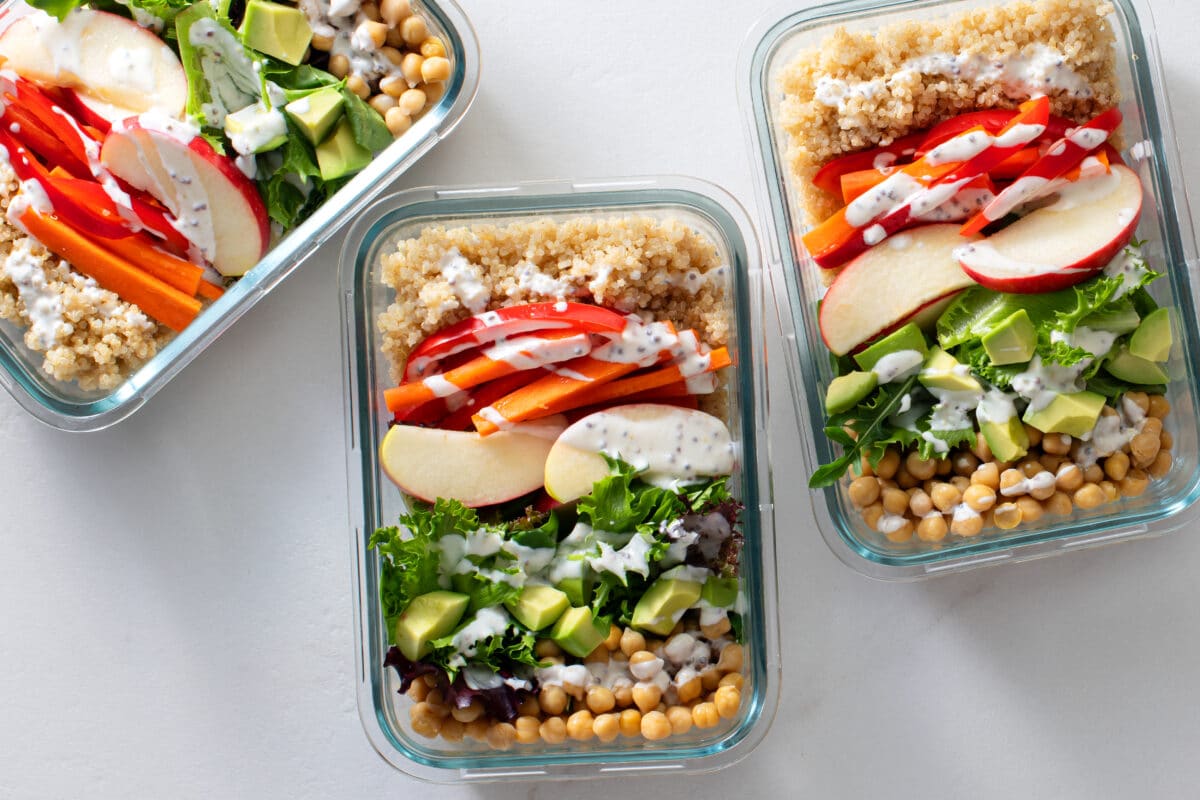
Meal preparation transforms an overwhelming daily responsibility into a manageable, cost-effective system that consistently delivers nutritious meals. For busy mothers, dedicating just 20 minutes weekly to planning and a few hours monthly to batch cooking creates a buffer against the chaos of after-work scrambling, takeout temptation, and nutritional shortcuts. This report synthesizes evidence-based strategies, practical recipes, and equipment recommendations designed to fit realistically into constrained schedules while maintaining nutritional integrity for the entire family.
The Strategic Foundation: Planning Beats Crisis Management
The most effective meal prep begins before any cooking occurs. Rather than facing dinner-time panic at 5 PM, a structured planning approach front-loads decisions when your mind is clear and options abound.
Establishing Your Weekly Planning Routine
Dedicate 10–20 minutes each week (ideally Sunday or Monday) to map your family’s meals. This brief investment prevents the decision fatigue that leads to takeout orders and impulse grocery purchases. The structure itself is flexible: some families plan only dinners, while others include lunches and breakfasts. Start with whatever feels sustainable.
Begin by maintaining a list of 15+ meals your family already enjoys and will eat repeatedly. Decision paralysis dissolves when you’re choosing from a proven rotation rather than reinventing the wheel weekly. Align meal choices with your actual schedule—place slow-cooker or sheet-pan meals on days you know you’ll be stretched thin, and save more involved recipes for calmer evenings. Once meals are selected, generate your grocery list immediately while decisions are fresh.
Adapting to Your Family’s Constraints
Effective planning acknowledges real-world constraints: picky eaters, dietary preferences, activity schedules, and time availability. Involve family members in meal selection to boost buy-in—a child who helps choose dinner is more likely to eat it without protest. If your youngest refuses certain vegetables, build a meal architecture that lets everyone customize: taco Tuesday, build-your-own bowl nights, and deconstructed meals ensure nobody goes hungry while you maintain nutritional goals.
Smart Shopping: Maximizing Nutrition and Budget
Families can feed four people nutritiously for $50–$70 per week through strategic purchasing and pantry stocking, though prices vary by region and available retailers. The foundation is buying ingredients you actually use rather than aspirational items destined for waste.
Anchor Your Pantry
| Category | Essentials |
|---|---|
| Proteins | Canned tuna, canned beans, eggs, frozen chicken, rotisserie chicken ($5 at Costco) |
| Grains | Pasta, frozen rice, canned chickpeas, instant oats, bread |
| Produce | Frozen vegetables (pre-cut, inexpensive), frozen fruit, carrots, onions, potatoes |
| Pantry | Canned tomatoes, vegetable broth, coconut milk, olive oil, salt, spices |
| Dairy | Butter, cheese, milk (buy locally for best price) |
Frozen vegetables are nutritionally equivalent to fresh, already cleaned and chopped, and cost significantly less. Pre-packaged salad mixes, canned beans, and mini potatoes eliminate prep barriers on exhausted days. Online grocery pickup from Walmart, Target, or Sam’s Club eliminates both shopping time and impulse purchases.
One $60 Grocery Haul into 20 Healthy Meals
A single strategic shopping trip can generate approximately 20 meals with careful ingredient selection and recipe planning. The approach leverages proteins and pantry items in multiple recipes: ground chicken becomes meatballs, saucy bowls, and pasta fillings. Canned beans appear in soups, tacos, and salads. Rice and grains anchor different meals throughout the week.
The Time-Saving Equipment Hierarchy
Not every appliance is essential, but certain tools eliminate friction and make batch cooking realistic for mothers juggling multiple responsibilities.
Instant Pot: The Set-and-Forget Workhorse
An Instant Pot (pressure cooker) is the single most versatile tool for busy families. It reduces cooking time dramatically—tough cuts of meat become tender in 30 minutes, dried beans cook without overnight soaking, and rice arrives perfectly cooked while you manage other tasks. The appeal is psychological freedom: once you close the lid, you can tend to homework, laundry, or simply sit down. The “dump and cook” nature suits the chaotic reality of family life.
Preheating the sauté function while you chop vegetables can reduce total cooking time by several minutes, a small hack with significant daily impact.
Air Fryer: Crispy Results Without Oil
An air fryer excels at creating textural contrast—crispy edges on vegetables, golden chicken skin—in substantially less time than the oven without deep-frying oil. Shared research indicates the Instant Pot Duo Crisp combines both functions with swappable lids, solving the countertop-space problem many busy mothers face.
Slow Cooker: The Flexibility Player
For mothers with completely unpredictable afternoons, a slow cooker provides genuine flexibility: assemble a freezer bag or container in the morning, dump contents into the slow cooker mid-day, and dinner emerges ready 4–6 hours later. Freeze-in-gallon-bag recipes allow you to prepare multiple meals in one batch-cooking session, then thaw and cook as needed throughout subsequent weeks.
Practical Freezer Meal Architecture
Strategic freezer cooking generates weeks of dinners from a single weekend effort. The key is choosing recipes that freeze well, thaw safely, and reheat without texture degradation.
Freezer-Friendly Recipes (Batch-Cook These)
Soups and Stews: Freeze exceptionally well and improve with time. Lentil soup, chicken vegetable stew, black bean taco soup, and minestrone all reheat beautifully and require minimal additional cooking. Portion into individual containers or gallon bags; flatten bags save freezer space and thaw faster than rigid containers.
Casseroles and Baked Dishes: Assemble veggie-packed lasagna, enchiladas, baked ziti, or shepherd’s pie in foil-lined pans. Freeze the lined pan, then pop out and rewrap for storage to free the pan. Bake from frozen (add 10–15 minutes) or thaw overnight and bake as usual.
Meatballs and Proteins: Cook meatballs in tomato sauce or freeze plain for flexibility. Shredded or cubed cooked chicken becomes taco filling, pasta sauce additions, or bowl toppings throughout the week. Marinated fajita strips freeze beautifully.
Breakfast Burritos: Scramble eggs with spinach, peppers, and cheese; wrap in tortillas; cool and wrap individually; freeze. Reheat in the microwave for a hot breakfast in 2 minutes—transformative on hectic mornings.
Smart Container Strategy
Invest in quality meal prep containers with tight-fitting lids. Glass (Pyrex or Prep Naturals) resists staining and odor absorption but requires freezer space. Budget plastic options (Rubbermaid Brilliance, Bentgo Prep) occupy less space and cost under 65 cents per container in bulk packs. Most are dishwasher and microwave-safe, reducing cleanup friction.
For families, 3–4 breakfast containers and 5–6 main meal containers provide flexibility without excess. Label with contents and dates using masking tape and marker; implement FIFO (First In, First Out) rotation, placing new meals at the back of the freezer and consuming oldest meals first. This simple practice virtually eliminates spoilage and waste.
The 15–20 Minute Weeknight Repertoire
When freezer meals aren’t available or you’re cooking fresh, a small rotation of quick recipes prevents both decision fatigue and takeout temptation.
Build Bowl Meals (5-Minute Assembly)
The most flexible dinner format accommodates all family members. Prepare one grain (rice, quinoa, pasta), one protein (shredded chicken, rotisserie chicken, canned tuna, chickpeas, ground meat), and one vegetable (roasted, raw, or sautéed). Let family members build their own bowls with accompanying sauces (salsa, yogurt dressing, soy sauce, peanut sauce).
Pre-cooked grains stored in the fridge or freezer-precooked rice available at most supermarkets eliminate the largest time barrier.
Stir-Fries with Frozen Vegetables (15 Minutes Start-to-Finish)
Frozen stir-fry vegetable mixes eliminate chopping entirely. Brown meat or tofu in a large pan (2–3 minutes), add vegetables straight from the freezer (3–5 minutes), season with soy sauce and garlic, and serve over rice or noodles. Total time: 10–15 minutes, yielding a balanced, nutrient-dense meal.
Sheet Pan Roasted Proteins and Vegetables (25 Minutes with Oven Time)
Arrange chicken pieces, cubed potatoes, and halved broccoli or brussels sprouts on a sheet pan. Drizzle with oil, season, and roast at 425°F for 20–25 minutes while you manage other tasks. Minimal cleanup, impressive results.
Quick Pastas (15–20 Minutes)
Boil pasta while preparing a sauce: jarred marinara with sautéed spinach and mushrooms, creamy lemon sauce with pre-cooked chicken, or sun-dried tomato pesto. Whole grain or vegetable-based pastas boost fiber and nutrients without additional cooking complexity.
Nutritional Integrity: Building Balanced Plates
Meal prep fails when nutrition is neglected. The research is clear: families who maintain consistent nutritional intake show better energy, focus, and emotional regulation, reducing parental stress directly.
The Half-Plate Method (Dietitian-Endorsed)
A visual formula prevents overthinking: fill half the plate with vegetables (raw, roasted, or sautéed), one quarter with lean protein (3–4 oz for children, 5–6 oz for adults), and one quarter with whole grains or starchy vegetables. This structure ensures every meal hits nutritional targets without calorie-counting or rigid rules.
Age-Appropriate Portion Guides
| Age Group | Vegetables | Fruits | Grains | Protein | Dairy |
|---|---|---|---|---|---|
| Toddlers (1-4 yrs) | 2-3 servings (½ cup each) | 1-2 servings (½ cup each) | 3-4 servings (½ cup each) | 2 servings (¼ cup) | 3 servings (1 cup milk) |
| Children (4-8 yrs) | 4.5 servings (¾ cup each) | 1.5 servings (½ cup each) | 4 servings (1 oz each) | 1.5 servings (2 oz each) | 2-3 servings (1 cup milk) |
Remember: children aged 1–4 need the “5-5-3-2” daily guideline: 5 starchy foods, 5 fruit and vegetable servings, 3 dairy servings, and 2 protein servings. This structure feels complex until you realize it’s easily met: breakfast oatmeal (starch), banana (fruit), milk, and egg (protein) covers multiple groups before 8 AM.
Nutrient Density Without Overcomplexity
Emphasize variety and color. Different colored vegetables provide different micronutrients: orange vegetables (carrots, sweet potatoes) contain vitamin A; red vegetables (tomatoes, peppers) contain lycopene; dark greens (spinach, broccoli) contain iron and calcium. Rotate through rainbow vegetables weekly rather than serving the same broccoli repeatedly.
Vitamin C foods (berries, citrus, peppers) enhance iron absorption—pair them intentionally with iron-rich foods (lean meat, beans, fortified cereals). Limit dried fruit to once weekly due to sugar concentration and tooth decay risk. Fresh or frozen fruit in oatmeal, smoothies, and yogurt provides natural sweetness and nutrients.
Meal Prep in Action: A Realistic Weekly Example
Sunday (2-3 hours, batch cooking)
- Cook 2 lbs ground chicken or turkey; portion into containers for three meals
- Make one large pot of lentil soup; freeze in portions
- Prepare overnight oats in mason jars (grab-and-go breakfasts)
- Roast a large batch of vegetables (broccoli, sweet potatoes, carrots)
- Cook a pot of rice or quinoa
Monday–Friday (15–20 minutes cooking time)
- Monday: Rice bowls with ground chicken, roasted vegetables, and hot sauce
- Tuesday: Tacos using prepared chicken, fresh toppings
- Wednesday: Lentil soup reheated, side salad
- Thursday: Pasta with marinara and rotisserie chicken (store-bought, zero prep)
- Friday: Sheet-pan salmon with frozen roasted vegetables
This structure requires minimal daily cooking while delivering balanced, home-made meals. Lunches come from the previous night’s dinner leftovers, eliminating the sandwich/processed food trap.
Common Obstacles and Practical Solutions
“I don’t have time to batch cook.” Start with one freezer meal per month. Prepare a double batch of regular dinner, freeze half. This requires zero additional cooking time and quickly builds your freezer supply. The momentum of seeing prepped meals ready generates motivation for larger efforts.
“My family is too picky.” Build meals with separable components. Tacos, bowls, and deconstructed meals work because each person customizes. Serve vegetables and protein plain, allowing kids to add salsa, sauce, or dressing themselves. Buy-in increases when children exercise control.
“Freezer-cooked meals taste boring.” Seasonings remain vibrant through freezing; texture degradation is the real enemy. Avoid thick sauces on vegetables (freeze separately and combine upon reheating). Use high-quality proteins that tolerate reheating.
“I can’t afford meal prep containers and equipment.” Glass jars repurposed from condiments serve as storage. Gallon-sized freezer bags cost pennies and work excellently for soups and sauces. A $5 used slow cooker from a thrift store generates years of easy meals. Start minimal; add tools only when they solve real problems.
Food Storage Best Practices: The FIFO System
Prevent waste and maintain food quality through consistent rotation.
The FIFO (First In, First Out) principle is simple: place new purchases at the back of the shelf or freezer; consume items with the earliest expiration dates first. Mark items with purchase date upon arrival. Check freezer and pantry items weekly, relocating items approaching expiration to visible locations. Proper rotation eliminates 80% of household food spoilage, directly impacting both budget and environmental impact.
For frozen meals, maintain a simple inventory list on the freezer door: date frozen, contents, and serves. A quick scan prevents cooking the same meal twice weekly while forgotten containers lurk behind others.
Realistic Expectations and Grace
The goal is not perfection—it’s reducing daily stress while nourishing your family. Some weeks, you’ll prep multiple freezer meals; others, you’ll rely entirely on quick weeknight recipes. Seasons change: postpartum periods, illness, intensive work projects, and school schedules all demand flexibility.
A mother who serves homemade lentil soup and roasted vegetables on Monday and orders pizza Friday is doing exponentially better than one overwhelmed by an all-or-nothing mentality. Consistency across months matters far more than daily perfection.
Meal prep’s deepest benefit isn’t the time saved or money conserved—though both are real. It’s the psychological relief of knowing dinner is handled, the energy conserved by removing daily decision-making, and the message sent to your children: nourishing your body is a priority worth planning for.